


Wager Layer Analysis
Kalshi Platform Overview
What is a prediction market?
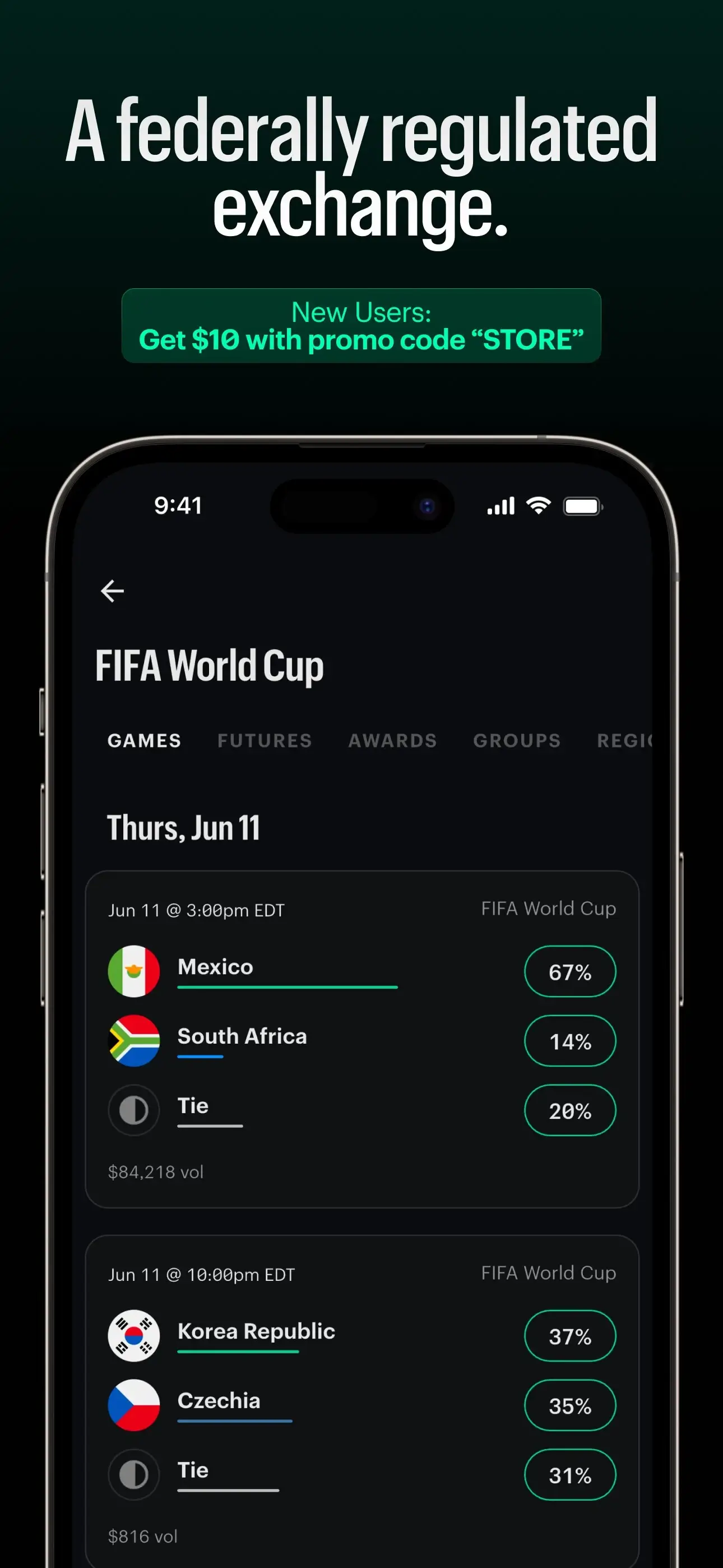
A contract-based platform where users trade on the outcomes of real-world events. Contracts pay $1.00 if the specified outcome occurs — the price reflects collective probability. Where CFTC-regulated, prediction markets operate under federal oversight as Designated Contract Markets, alongside exchanges like the CME.
Kalshi, operating as KalshiEX LLC, is the United States' first CFTC-registered Designated Contract Market for event contracts. The platform launched in 2021 following a legal dispute with the CFTC over political event contracts — a dispute Kalshi won in September 2024 when a federal district court ruled the CFTC had exceeded its statutory authority. The CFTC dropped its appeal in May 2025. Kalshi recorded $23.8 billion in total notional trading volume in 2025, representing more than 1,100% year-over-year growth.
A $1 billion Series E round at an $11 billion valuation (Paradigm, Sequoia, Alphabet's CapitalG) and a Robinhood distribution partnership — reportedly more than half of Kalshi's trading volume — have established it as the dominant US-regulated prediction market. Its financial aesthetic, order book structure, and CFTC registration distinguish it clearly from offshore and unregistered competitors.
At the time of this review, approximately 10 states have active enforcement actions against Kalshi, with Minnesota's August 1 felony ban the most imminent constraint. The CFTC is actively counter-suing states in federal court. See the Regulatory Status section for the full current picture.
Research Basis
Editorial Analysis
Platform Risk Score
Six criteria scored 0–100% from primary document analysis only. The composite is the unweighted average. Scores reflect what documents and verified community patterns show — not marketing claims. Reviewed June 2026.
Kalshi leads the US-regulated prediction market sector on fees, interface quality, and federal regulatory standing — the only platform with CFTC DCM status that the regulator is actively defending in court. The Moderate Risk composite reflects specific, documented weaknesses: resolution disputes on two high-value markets with no external appeal, withdrawal friction documented in primary clauses, and active state criminal proceedings alongside the imminent Minnesota felony ban.
Market Categories
Markets & Coverage
Elections, legislation outcomes, policy decisions, Senate/House control, presidential approval ratings.
Legal since September 2024 federal district court ruling.
NFL, NBA, MLB, NHL, college sports, Premier League, Formula 1.
Primary target of state C&D actions. Check your state before trading.
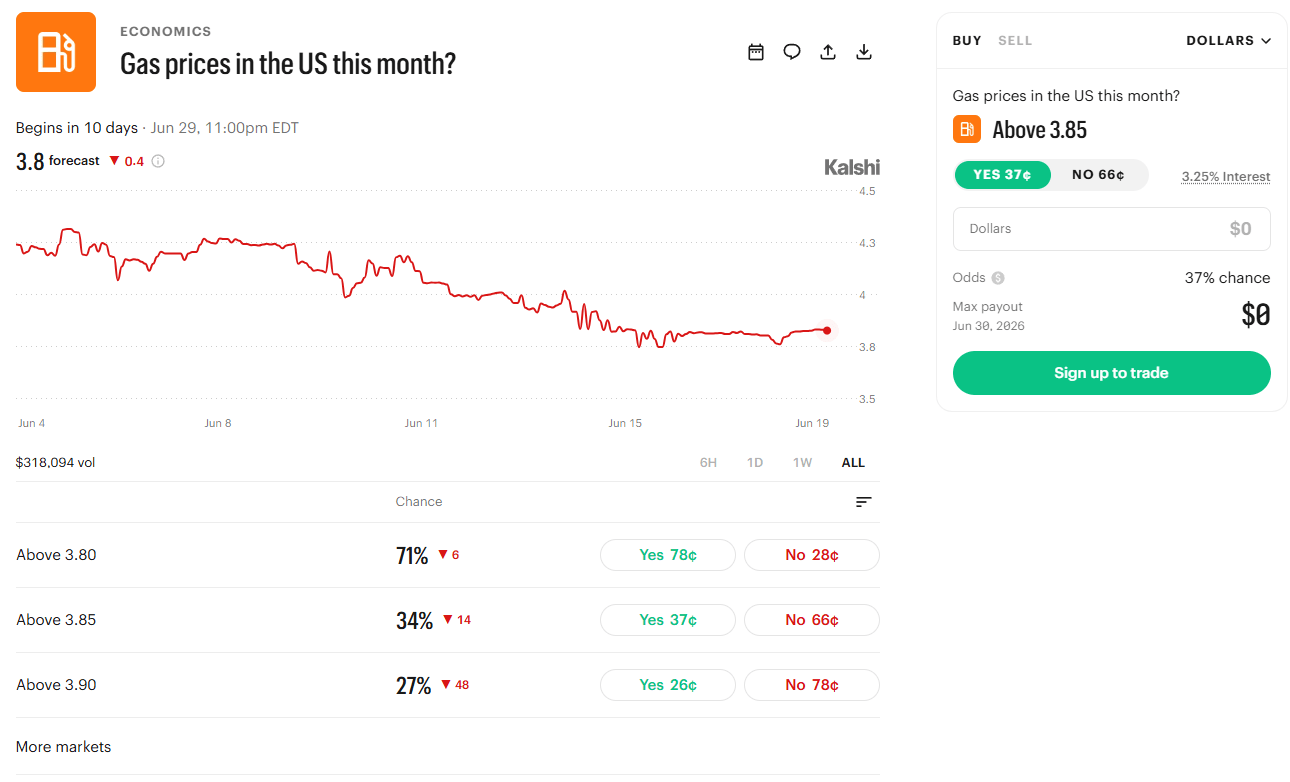
S&P 500, NASDAQ 100, CPI releases, Fed rate decisions, jobless claims, crude oil, Bitcoin, Ethereum.
Separate fee formula applies to index markets.
Awards shows, TV outcomes, climate and weather, science and technology, social metrics.
Less contested by state regulators than sports or politics.
Cost Structure
Fees & Trading Terms
Kalshi's fee structure is among the most transparent in US-regulated prediction markets. The probability-weighted formula means trading near-certain outcomes is cheap while 50/50 markets carry the highest per-contract fee. A sportsbook vig on an equivalent 50/50 market typically runs 4.5–10% — Kalshi's ~1.75% taker fee is materially lower. No settlement fee and no ACH transfer fee reduces friction significantly. The 2% debit card fee is the outlier that penalises users who cannot use bank transfers.
Settlement Framework
Market Resolution
Resolution Risk
Two high-profile resolution disputes in 2025–2026 illustrate the practical risk of platform-controlled resolution with no external appeal. Bernie Sanders rally markets resolved "No" despite attendee audio and video evidence — $3M+ wagered, widespread community backlash. The Khamenei death carveout market ($54M+ traded) triggered a class action (Risch v. Kalshi LLC, USDC Central California), with plaintiffs arguing the carveout was buried in technical documentation. Kalshi refunded fees and net losses in the Khamenei case but disputed the disclosure gap characterisation.
Terms vs Reality
Rulebook states: The Outcome Review Committee reviews disputed outcomes and makes binding determinations per Rule 7.1.
Community-reported reality: The only practical recourse for retail traders is informal contact — Discord, email, or a non-binding Request to Settle. Multiple community sources describe the outcome as: "Yell at them in Discord." Traders have no standing to independently trigger an ORC review or appeal its findings.
Cashflow Terms
Fund Access & Withdrawals
The 90-day ACH originating-account restriction is the most practically significant withdrawal constraint for retail users. If you fund via ACH and then change banks, access to those specific funds becomes complicated. The "nonrefundable" deposit language in §VII(F) does not prevent withdrawals of winnings or remaining balances, but it means the funding transaction is not reversible as a consumer transaction — the Rulebook's withdrawal procedures are your only formal remedy path.
Legal & Compliance
Regulatory Status
Kalshi holds the most robust federal registration available to a US prediction market. The CFTC is actively defending that position with federal lawsuits against multiple states. New Jersey, previously unavailable, appears to have reopened following a February 2026 preliminary injunction. Minnesota's August 1 felony ban is the most imminent constraint. Wisconsin filed for a preliminary injunction in June 2026. New York has escalated to criminal misdemeanor charges.
Primary Document Analysis
T&C Clause Analysis
Key clauses from the KalshiEX Member Agreement (v1.6) and DCM Rulebook (v1.26). All quoted language is verbatim from published documents.
Trader Experience
Community Reports
Methodology
Findings reflect patterns across a minimum of three corroborating reports per finding. Individual anecdotes are not cited. Sources: r/Kalshi (29k subscribers), quasa.io (Feb 2026), defirate.com resolution analysis (Apr 2026), Trustpilot structural pattern analysis (182 reviews — review volume is not used as a platform quality signal). All sources are named public forums or named publications.
A documented pattern across multiple community sources describes withdrawals blocked or delayed during KYC verification holds, often with no communicated resolution timeline. Accounts suspended or restricted after identity verification, with "risk control" cited as the reason, are a distinct sub-pattern from standard processing delays. Kalshi's responses acknowledge KYC is CFTC-mandated — accurate — but the pattern of extended holds without timeline communication is consistent across multiple sources.
The Bernie Sanders rally market ($3M+ wagered) resolved "No" despite attendee evidence — generating press coverage and documented community backlash. The Khamenei death carveout market ($54M+ traded) resulted in a class action (Risch v. Kalshi LLC, USDC Central California), with plaintiffs arguing the carveout was not disclosed accessibly to retail traders. Kalshi refunded fees and net losses in the Khamenei case but characterised the carveout as properly disclosed.
A documented pattern of canned or AI-generated support responses, with escalation to Discord as the most effective practical recourse. Kalshi's crypto partner ZeroHash has been referenced by multiple community members as more responsive for crypto withdrawal issues than Kalshi's own support channel. Kalshi's own responses indicate active CX team hiring in early 2026, suggesting awareness of the gap.
A consistent subset of community reports describes payouts as fast and accurate on straightforward markets, with specific representatives praised for prompt resolution. Kalshi publicly disclosed two insider trading enforcement cases in February 2026 (one involving a MrBeast editor), noting 200+ investigations and active CFTC referrals — a proactive enforcement posture that distinguishes Kalshi from less regulated alternatives.
Wager Layer Editorial Assessment — Kalshi
The US Market Leader in Event Contracts — Strongest Federal Standing Available, Real and Documented Risks in Resolution and Fund Access
Kalshi holds the strongest possible federal regulatory designation available to a US prediction market — CFTC Designated Contract Market status — and the CFTC is actively defending that position against state enforcement actions in federal court. This places Kalshi in the same regulatory category as major US futures exchanges. The platform's fee structure is transparent and competitive, its market breadth is the widest available in a US-regulated format, and its $11B institutional valuation provides structural stability that smaller platforms cannot match.
The 63% composite reflects three specific, primary-source-documented problem areas. Resolution: the Bernie Sanders and Khamenei cases demonstrate that in ambiguous or carveout scenarios, the Outcome Review Committee holds unilateral final authority with no external appeal. Fund access: the nonrefundable deposit framing, the 90-day ACH lock, and KYC withdrawal holds create friction not disclosed prominently at onboarding. State legal exposure: Arizona's criminal charges, Minnesota's August 1 felony ban, Wisconsin's June 2026 injunction motion, and New York's criminal misdemeanor charges represent the most serious multi-state enforcement wave any US prediction market has faced.
A CFTC DCM registration governs platform conduct at the exchange level — it does not guarantee individual traders have meaningful recourse when a resolution dispute arises or when funds are held during a KYC review. Traders who understand they are operating within a CFTC-regulated derivatives structure, read per-contract terms before entering positions, and fund via ACH will encounter considerably fewer of the documented risks.
Version History